Research Grade Fermenter Manufacturer in India
Dhruv Fabrotech is Leading Research Grade Fermenter Manufacturer, Supplier in India
Dhruv Fabrotech is an India-based Research Grade Fermenter Manufacturer and Supplier, providing fermentation equipment for biotechnology companies, pharmaceutical R&D laboratories, microbiology laboratories, universities, research institutes, biofertilizer manufacturers, and other organizations involved in biological research and process development across India.
A research grade fermenter provides a controlled environment for cultivating microorganisms, microbial cultures, cells, or other biological systems. Depending on the process, parameters such as temperature, pH, dissolved oxygen, aeration, agitation, mixing, and nutrient feeding can be monitored and controlled during a fermentation run.
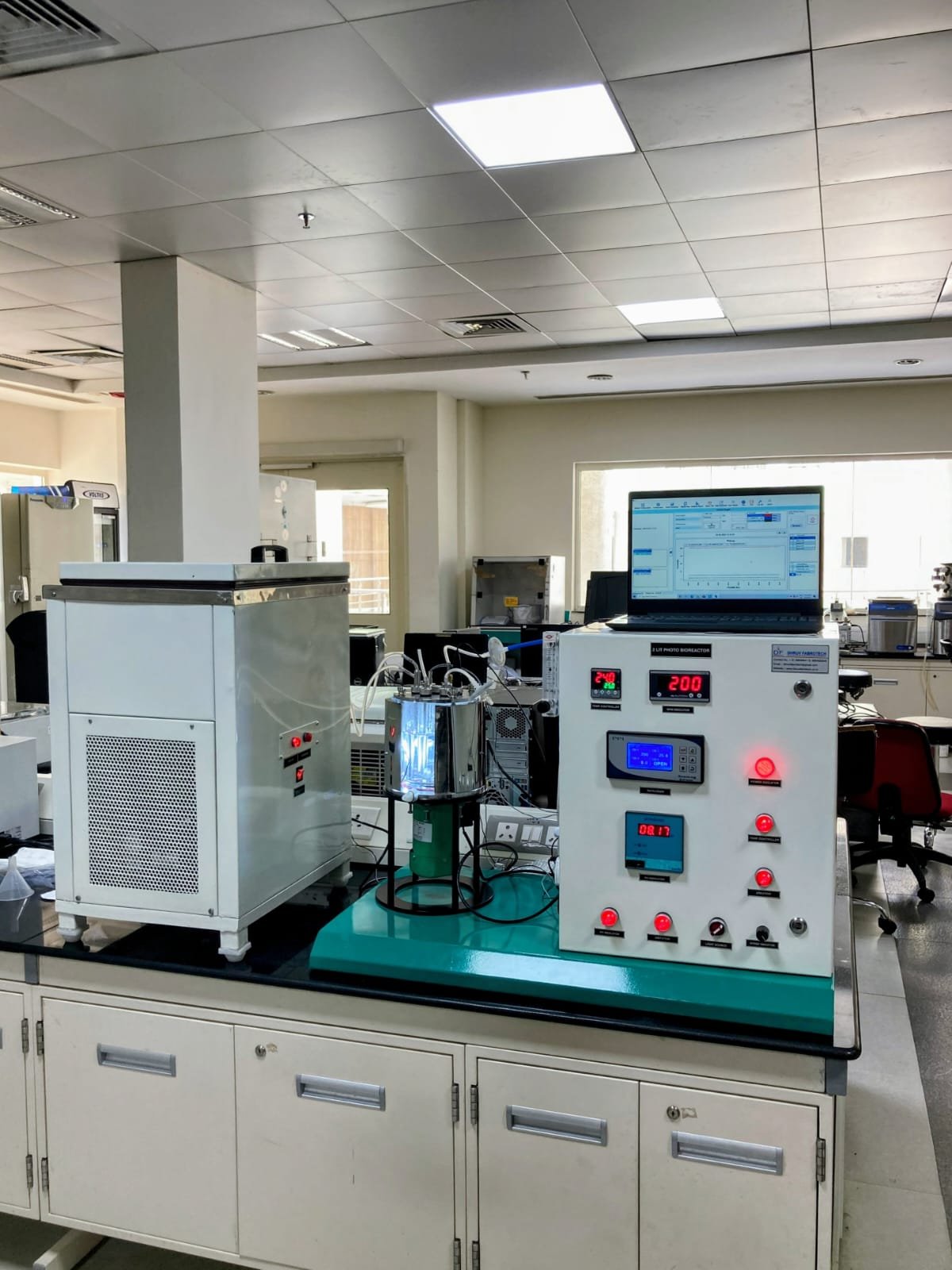
Research Grade Fermenter Manufacturer in India – Dhruv Fabrotech
A research grade fermenter is a laboratory-scale fermentation system designed for controlled cultivation and study of microorganisms, cells, or biological cultures. It allows researchers to conduct fermentation experiments under defined operating conditions and monitor important process parameters throughout the run.
Unlike a basic culture vessel, a research fermenter can incorporate process sensors and control systems for parameters such as temperature, pH, dissolved oxygen, aeration, agitation, and feeding.
Why Choose Dhruv Fabrotech for Research Grade Fermenters?
Dhruv Fabrotech specializes in fermentation and biotechnology equipment for research, laboratory, pilot, and industrial applications. The company provides different vessel and control configurations according to the intended use.
Customers can discuss requirements such as working capacity, vessel material, microorganism or biological process, agitation, aeration, pH and dissolved oxygen monitoring, temperature control, sterilization, and automation before finalizing the equipment.
Pharmaceutical R&D
Pharmaceutical research laboratories can use research-grade fermenters for microbial fermentation studies, culture development, enzyme research, and early-stage bioprocess development.
Microbiology Research
Microbiology laboratories use controlled fermentation systems for microbial growth studies, culture development, fermentation trials, and process parameter evaluation.
Biofertilizer Development
Research fermenters can support microbial strain evaluation, culture development, media optimization, fermentation trials, and process development for biofertilizer applications.
Enzyme Research
Controlled fermentation conditions allow researchers to study microorganisms used for enzyme production and evaluate suitable operating conditions.
Probiotic Research
Research-grade fermenters can be used for controlled cultivation and process studies involving probiotic microorganisms.
Agricultural Biotechnology
The equipment can support research related to biofertilizers, biopesticides, microbial products, and other agricultural biotechnology applications.
Academic Research
Universities, colleges, and research institutes can use research fermenters for biotechnology experiments, fermentation studies, student projects, and process development.
Biomass & Biological Research
Suitable configurations can support research involving microbial biomass, biological cultures, and other processes where controlled cultivation conditions are required.